← Default view
Scout · Expedition · 13 Jul 2026
5 angles · 119 sources
A broadside on React toasts
The contradiction, up front
The library everyone installs
and the library that is
actually accessible
are not the same library.
What the ecosystem installs
41M
Polite-only. There is no assertive path in the source, so toast.error() never interrupts a screen reader. Auto-dismisses at 4 s.
✕ announcement model wrong
What announces correctly
≈0
Live region mounted before the message arrives. A non-modal dialog for the buttons. A landmark hotkey to reach it. Nobody installs them.
✓ announcement model right
The literal question — is toastr still a thing? — has a one-word answer: no. Everything interesting is in what replaced it, and there the five angles disagree in a way worth naming.
Thesis 01
role="status"
toastr · v2.1.4
✕
toastr is toast
Last published December 2017. Final commit June 2018. Still a hard dependency on jQuery — in a React app, in 2026.
[1]
This is not a library with a slow release cadence. It is a library that stopped.
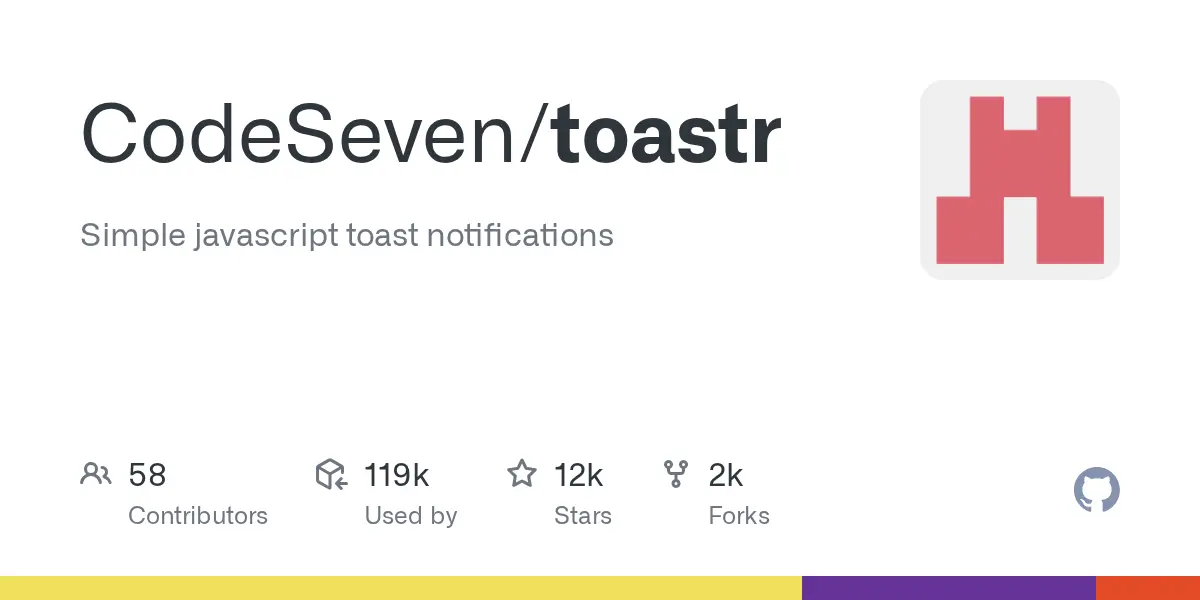
Exhibit A — 12k stars, 119k repos still using it, zero commits since 2018
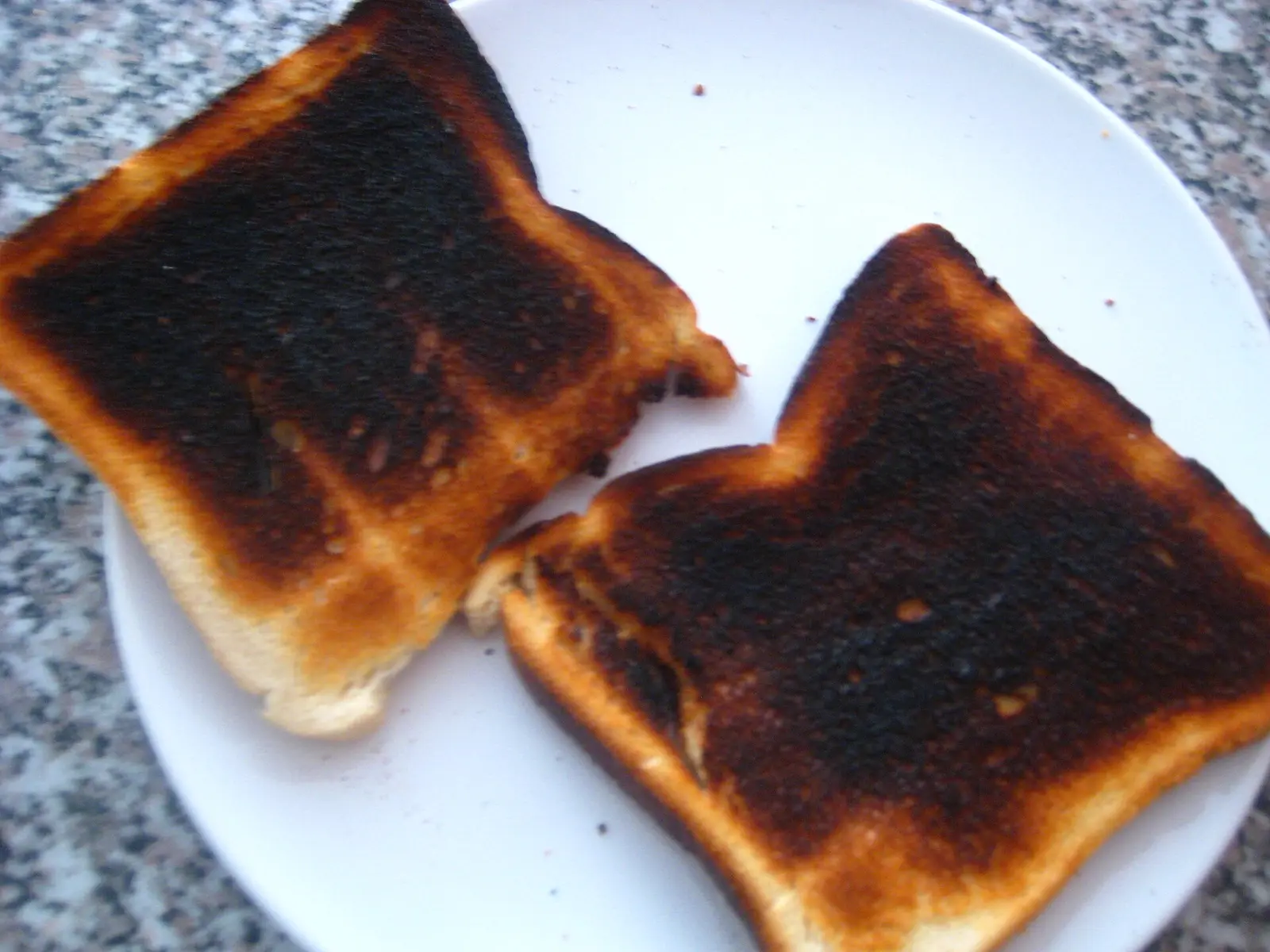
Exhibit B — the state of the art, 2017
119,000 repositories still depend on it. That number is the migration backlog, not a health signal — and it is the only thing in this expedition where the recommendation is unambiguous. Move. There is no counter-argument to make on behalf of a dead jQuery plugin.
Thesis 02
aria-live="polite"
ecosystem
✕
Distribution decided
this category.
Not merit.
A 10× install gap is not a 10× quality gap. It is one default, in one scaffolding tool.
[2]
~4M / wk — 10× behind, and shipping harder
Radix Toast
collateral — abandoned by its largest consumer
shadcn/ui deprecates its toast
The Radix-based component is retired; every user is told to install Sonner instead.[3]
→
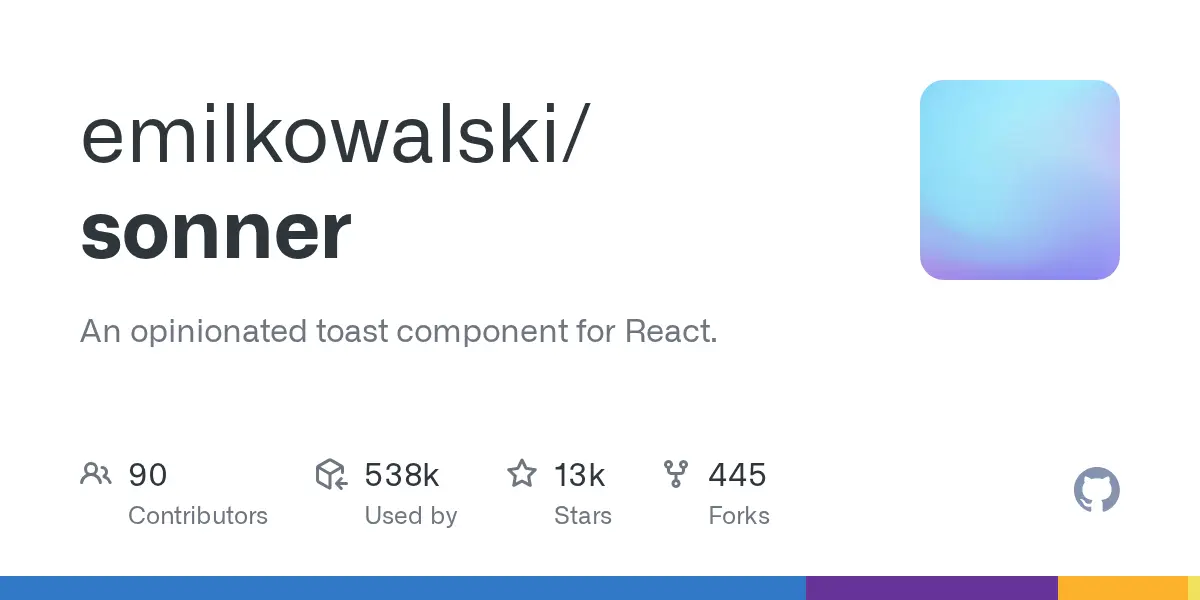
Sonner becomes the default
Not chosen library-by-library. Inherited, one npx shadcn add at a time, until it is 41M installs deep.
→
Still shipping fixes as of June 2026 — but abandoned by its largest consumer and slowing post-acquisition.[4]
Thesis 03
aria-live="polite"
npm
✕
The most-installed
library has the
quietest repo.
Install count is a lagging indicator of one scaffolding decision. It is not a measurement of maintenance — and here it points the wrong way.
Library
Weekly installs
Last release
What that means
41M
Aug 2025
The default everyone ships. Nearly a year without a release.
~4M
Apr 2026 · v11.1.0
CSP-nonce support and a React 19 fix. The one actually being worked on.
[5]
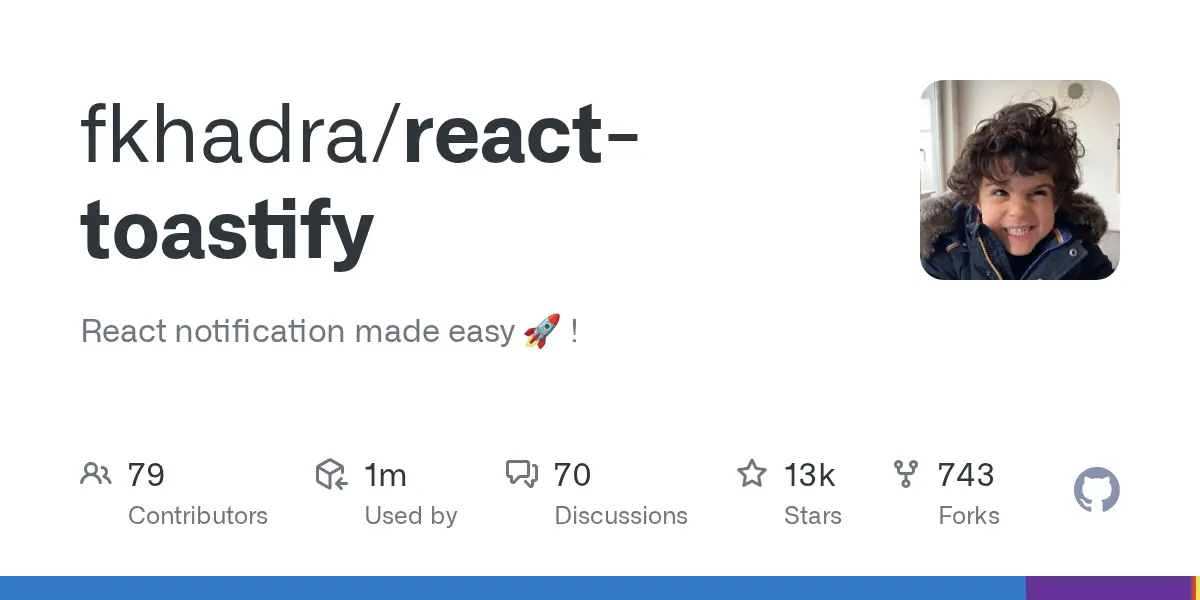
Exhibit C — react-toastify, 4M installs, still shipping in 2026
If you already run react-toastify, the case for churning a working integration is thin: it is alive, it ships, and it does not owe Sonner a migration. The 10× gap flatters the wrong axis.
Read the install count for what it is — a record of what a scaffolding tool typed for you in 2024 — and the ranking stops looking like a quality ordering.
Thesis 04
aria-live="polite"
toast.error("Payment failed")
✕
Popularity bought
an accessibility bill.
There is no assertive path in Sonner's source. toast.error() is announced politely — which means: queued behind whatever the screen reader is already saying, and then gone. The toast auto-dismisses at 4 s, whether or not it was ever read.
Screen-reader transcript · the same 4 seconds
0.0s
"…row 14, column 3, expiry date, edit, blank…"
0.4s
▸ toast mounts. Polite. Waits its turn.
2.1s
"…column 4, CVC, edit, blank…"
4.4s
▸ toast unmounts. The payment failure was never spoken.
A 4-second auto-dismiss with no way to extend it is a plain WCAG 2.2 SC 2.2.1 failure — timing adjustable.[6]
The correct model is not subtle and it is not new: mount the live region before the message arrives,[7] use a non-modal dialog for anything with a button, give the user a landmark hotkey to reach the thing.
The libraries that implement it — Base UI and React Aria — are the two nobody installs. That is the sharpest contradiction in this expedition: the recommended default and the accessible default are different libraries.
Exhibit D — Base UI Toast, stable since December 2025, ≈nobody installs it
And one more thing
"use client"
server boundary
✕
Nobody solves
the server boundary.
"RSC-compatible" is table stakes and means less than it sounds.
All three major libraries ship "use client" at the top of their dist bundle,[8] so <Toaster /> drops into an App Router layout unchanged. None of them exposes a server-callable queue. A server mutation can only describe a toast and hand it across — and if the action calls redirect(), the caller unmounts before any return value arrives,[9] forcing a flash-cookie round trip you write yourself.
React Router 7 has had session.flash() for exactly this, all along.[10]
Take Sonner.
Know what
you are buying.
It is the right default — the ergonomics are genuinely good and the ecosystem has already voted with its scaffolding. But it is polite-only, its repo is the quietest of the group, and it will not fire a toast from a server action for you.
If you ship to a normal a11y bar
Install Sonner, raise the dismiss duration off 4 s, and accept that error toasts will not interrupt. Do not churn a working react-toastify integration to get here.
If you ship to a public-sector or enterprise a11y bar
Budget for the fixes — or build on Base UI Toast, stable since December 2025,[11] and write the CSS yourself. It is the only primitive in 2026 that is both stable and feature-complete.
In 2026 no React toast library offers both the ergonomics and the correct announcement model.
And the standard itself has not settled: the W3C is still arguing about whether SC 2.2.1 even applies to toasts. The issue has been open since 2019.[12] Until it closes, every team ships a judgment call and calls it a default.
w3c/wcag #976 · open · 2019 → today
The five angles this broadside is built from
01
React toast libraries in 2026: Sonner, react-toastify, react-hot-toast, notistack and the design-system natives
Sonner is the 2026 default (41M weekly installs, shadcn's toast); react-toastify is the actively-released power option; react-hot-toast is the 4.7 kB minimalist; notistack is legacy.
survey
02
Accessible toasts in React (2026): what's actually required, and which libraries deliver
No React toast library is accessible out of the box: the correct pattern is a pre-mounted live region plus a landmark hotkey, and only Base UI, React Aria and Radix implement it.
survey
03
Toasts in the Next.js App Router: firing client state from the server
No toast library ships a server entrypoint — the queue always lives in client memory, so an RSC app must serialize server-origin toasts through an action return value or a cookie; redirect() forecloses the first option.
survey
04
Headless toast primitives vs batteries-included: when rolling your own pays
Base UI Toast is the only primitive that is both stable and feature-complete in 2026; adopt Sonner unless multi-framework, deep theming, or anchored/custom-queue needs force a primitive.
recon
05
Migrating off legacy toasts: toastr and react-toastify → Sonner
toastr is dead (last commit 2018, needs jQuery) — migrate. react-toastify is alive (v11.1.0, Apr 2026) — don't churn a working integration.
recon
Every claim above, receipted
Toast Stack Broadside · a view of the expedition
Photography: Wikimedia Commons · Repo cards: GitHub
Atlas